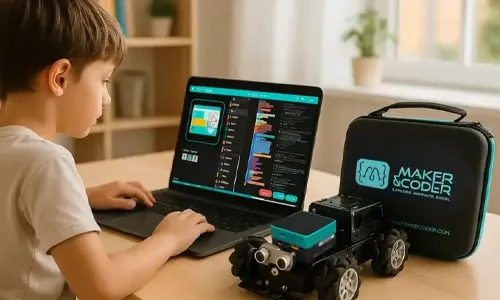
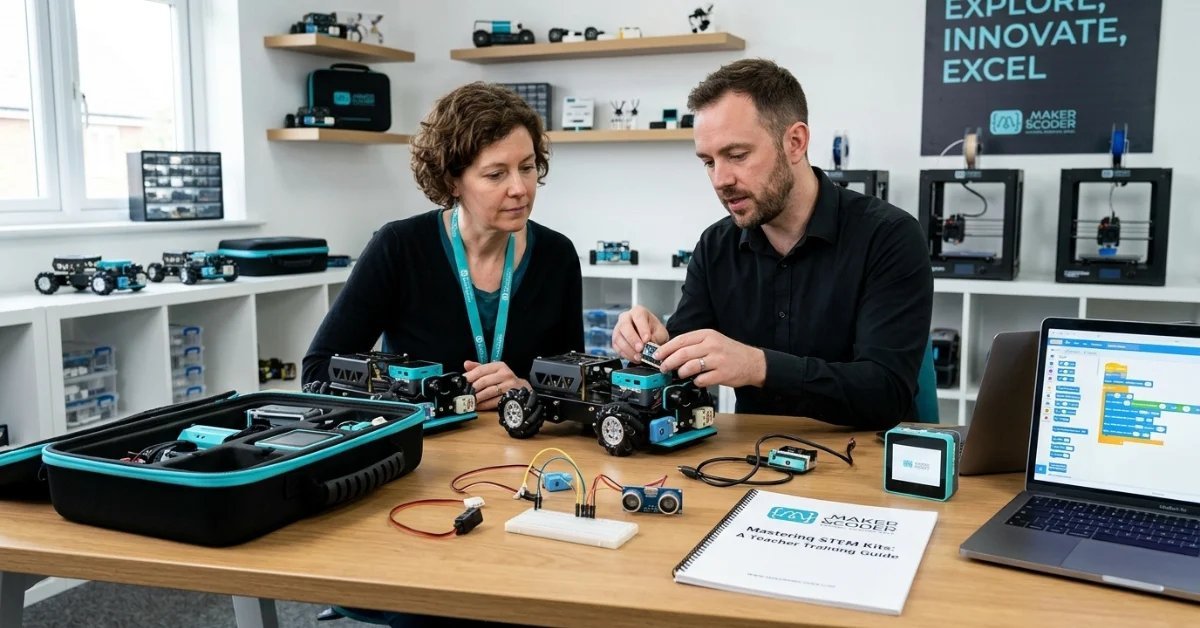
Did you know that 61% of educational institutions currently struggle to find qualified instructors to lead their technical programs? It’s a startling figure that explains why so many high-end tools end up as “shelfware” rather than active learning instruments. You might feel that same spark of hesitation when unboxing a new robotics kit. The fear of a student asking a question you can’t answer or the dread of losing hours to lesson prep is a common reality for many dedicated educators.
We believe technology should be an accessible bridge, not a barrier. Comprehensive teacher training for STEM kits transforms this experience, moving you from technical anxiety to classroom mastery. By bridging the gap between sophisticated hardware and everyday instruction, you’ll gain the peace of mind needed to foster true innovation. It’s about turning a daunting challenge into a professional tool for creative expression.
This guide reveals how professional development and a structured K-12 curriculum turn hardware into a seamless, high-impact learning pathway. You’ll discover how to lead hands-on sessions with the confidence of an industry expert while preparing your students for a future driven by AI and robotics.
Key Takeaways
- Learn why professional teacher training for STEM kits is the critical bridge that prevents expensive hardware from becoming unused shelfware.
- Master the technical nuances of the MC 4.0 Controller and modular MC Blocks to lead hands-on lessons with absolute confidence.
- Discover how to streamline lesson preparation by integrating pre-built K-12 curricula that align perfectly with your classroom hardware.
- Navigate the transition from basic block-based coding to advanced Python applications, ensuring your students remain engaged and future-ready.
- Build a sustainable STEM roadmap for your school by auditing existing resources and aligning them with specific grade-level learning objectives.
The Crisis of “Shelfware”: Why STEM Kits Need Professional Training
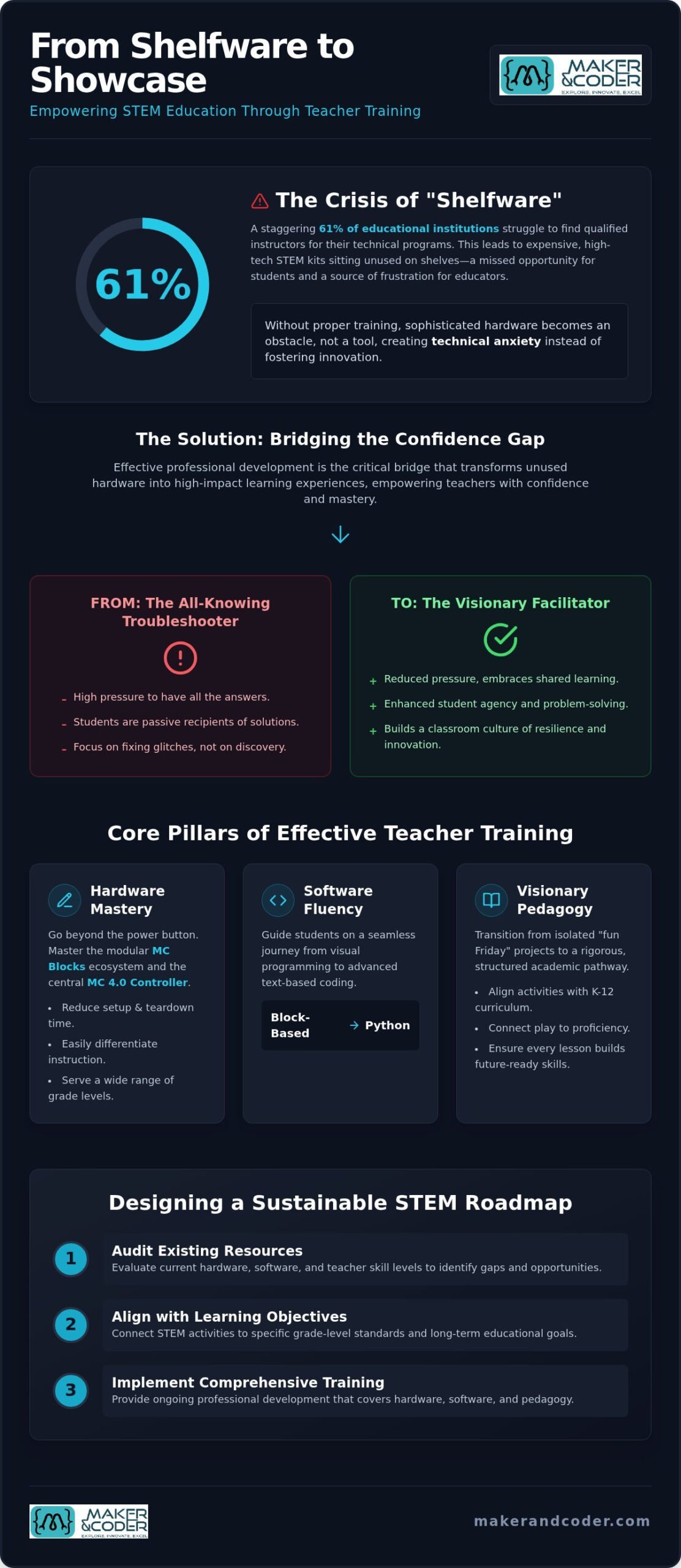
Imagine a school storage closet filled with unopened boxes of high-tech robotics. This is the reality of “shelfware.” It represents a missed opportunity for students and a source of silent guilt for educators. Research indicates that limited access to qualified instructors affects 61% of educational institutions, which directly leads to hardware sitting idle. While school technology grants provide the physical tools, they frequently overlook the human element required to activate them. High-quality teacher training for STEM kits is the only way to ensure these investments don’t end up as expensive relics.
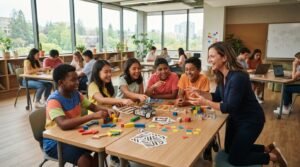
There is a fundamental difference between a standard product demo and professional teacher training. A demo shows you where the power button is; training shows you how to manage a classroom of thirty students all building at once. When teachers lack this pedagogical support, technical anxiety sets in, contributing to burnout and frustration. Empowerment replaces this fear with a sense of purpose. Maximize the ROI of your school’s technology grants by viewing hardware as a static asset and a trained teacher as a dynamic one. Explore our full range of hardware and support tools at the Maker & Coder shop to see how we integrate support into every kit.
Bridging the Technical Confidence Gap
You don’t need an engineering degree to lead a world-class STEM classroom. The most effective educators move from being the all-knowing troubleshooter to a visionary facilitator. This psychological shift is vital. It allows you to embrace the joy of discovery alongside your students. Instead of fearing a hardware glitch, you view it as a collaborative problem-solving moment. This approach builds a culture of resilience that mirrors real-world innovation. Consider these benefits of a facilitator-led classroom:
- Reduced Pressure: You aren’t expected to have every answer, only the curiosity to find them.
- Enhanced Student Agency: Learners take ownership of their technical troubleshooting.
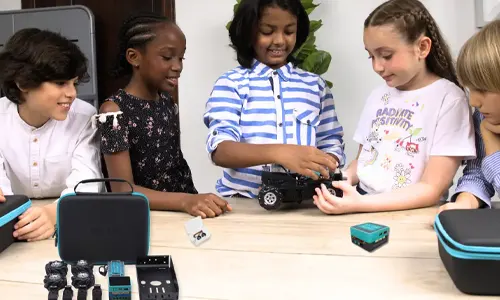
- Sustainable Growth: Confidence builds over time as you master the modular MC Blocks ecosystem.
From One-Off Projects to Structured Learning
Many classrooms fall into the trap of the “fun Friday” project. While building a single robot is engaging, it rarely leads to long-term proficiency without a rigorous academic pathway. Comprehensive training helps you align hardware activities with state and national standards, ensuring that every minute spent with a kit contributes to student growth. It moves the needle from isolated play to intentional development. You can transform a simple activity into a future-ready learning experience by connecting it to a broader K-12 MC Curriculum. Curriculum-aligned training is the essential bridge between exploratory play and academic proficiency.
Core Pillars of Effective Teacher Training for STEM Kits
To move beyond basic workshops, we must address the specific mechanics of the modern classroom. Effective teacher training for STEM kits rests on three foundational pillars: hardware mastery, software fluency, and visionary pedagogy. These elements don’t exist in isolation. They form a cohesive ecosystem that aligns with national STEM initiatives, ensuring that students aren’t just consumers of technology, but creators of it. This structured approach provides the confidence needed to lead high-impact sessions without the fear of technical failure.
Mastering Modular Hardware Ecosystems
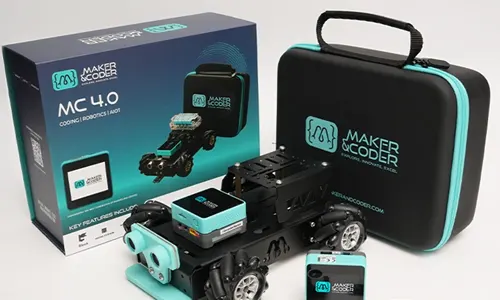
Hardware shouldn’t be a hurdle. The modularity of MC Blocks is a game-changer for the busy educator. It drastically reduces setup and teardown times, allowing more room for actual instruction. At the center sits the MC 4.0 Controller, acting as the “brain” of every build. By understanding this modular logic, you can easily provide differentiated instruction. Beginners focus on simple sensor-actuator loops, while advanced learners explore complex mechanical systems using the same hardware. This versatility ensures that a single kit serves a wide range of grade levels and abilities.
Coding Pathways: From Blocks to Python
Software fluency is a journey of growth rather than a single destination. Professional training must bridge the gap between visual, block-based programming and text-based Python. We use scaffolding techniques that translate logic from one medium to the other. The MC 4.0 ecosystem makes this transition seamless by allowing students to see how their block logic maps directly to real-world syntax. This preparation is vital for future-readiness. It gives students the tools to move from basic logic to professional-grade development environments with ease.
The Frontier of AIoT and AI Literacy
Most programs stop at basic robotics. We go further. Incorporating Artificial Intelligence of Things (AIoT) and AI literacy into the standard curriculum is no longer optional; it’s essential for the modern workforce. Training empowers you to teach how devices communicate across networks and how machine learning models can be integrated into physical hardware. This expertise transforms your classroom into a high-tech laboratory of innovation where students solve real-world problems. If you’re ready to elevate your school’s technical capabilities, consider speaking with our educational specialists about a tailored program.
Overcoming Common Implementation Hurdles in Schools
The transition from receiving a technology grant to running a vibrant classroom often hits a wall: the “No Time” objection. Educators are already stretched thin. Adding a complex robotics kit to a packed schedule feels like an impossible task. However, the barrier isn’t the technology itself; it’s the lack of a clear operational framework. Effective teacher training for STEM kits provides the specific protocols needed to turn a messy lab into a streamlined learning environment. It replaces unboxing anxiety with a structured plan for success.
Classroom management is another significant hurdle. Organizing hundreds of MC Blocks and ensuring every MC 4.0 Controller is charged requires more than just good intentions. It requires a system. Training empowers you to master these logistics, from color-coded storage to student-led inventory checks. While you can find free STEM educational resources to supplement your lessons, having a primary hardware system that is modular and easy to manage is what saves your sanity during a busy school day.
Technical troubleshooting often paralyzes teachers who aren’t from an engineering background. What happens when a sensor doesn’t respond? Training shifts your role from the sole “fixer” to a facilitator of inquiry. You’ll learn to handle common hardware glitches with confidence, teaching students to debug their own builds. This approach ensures inclusivity, as it allows you to differentiate instruction for diverse learning needs. Every student, regardless of their starting point, can find a pathway to success within the MC 4.0 ecosystem.
Streamlining Preparation with the MC Curriculum
Stop spending your weekends writing lesson plans from scratch. The K-12 MC Curriculum is designed to integrate seamlessly into your existing science and math blocks. By using our pre-built teacher guides, you can anticipate student questions before they arise. This structured pathway dramatically reduces prep time. It allows you to focus on the joy of discovery rather than the stress of documentation. You move from a state of constant catch-up to a position of visionary leadership.
Building a Peer Support Network
Sustainability is the hallmark of a successful STEM program. Knowledge shouldn’t leave the building when a single teacher moves on. We focus on creating “STEM Leads” within your school to act as onsite experts. Whether through onsite workshops or virtual professional development, building a peer support network ensures that expertise is shared and preserved. Maker & Coder acts as your dedicated educational partner, fostering a community where educators can exchange ideas and troubleshoot together. This collaborative environment turns individual growth into a school-wide culture of innovation.
Designing a Sustainable STEM Roadmap for Your School
A successful STEM program is never an accident. It’s the result of a deliberate, institutional strategy that moves beyond the individual classroom to encompass the entire school ecosystem. While many programs focus on one-off certifications, true excellence requires a sustainable roadmap. Professional teacher training for STEM kits serves as the engine for this journey, ensuring that every educator is equipped to guide students from their first circuit to complex artificial intelligence projects.
To build this foundation, start with a comprehensive audit of your existing hardware and current teacher skill levels. This clarity allows you to identify gaps and schedule tiered professional development that meets educators where they are. Whether you’re moving from beginner workshops to advanced AIoT modules, the goal is consistent growth. Implementing the K-12 MC Curriculum ensures that this knowledge isn’t lost during grade transitions, providing a reliable pathway for year-over-year student advancement. Finally, establish a cycle of measurement and iteration to refine your training needs based on actual classroom outcomes.
Aligning Hardware with Grade-Level Goals
Consistency is key to student retention. By using the MC 4.0 Base Kit, primary students master foundational technical concepts in a tactile, accessible way. As they move into middle and high school, the complexity scales naturally. Educators can introduce the MC 4.0 AIoT Kit and the MC 4.0 STEAM Kit to explore the intersection of connectivity, data, and creative design. This progression ensures the curriculum grows with the student from K through 12, preventing repetitive lessons and maintaining high levels of engagement. Explore the full range of specialized tools at the Maker & Coder shop.
Measuring the Impact of Training
Data-driven iteration is the final piece of the roadmap. You must track key performance indicators such as technical proficiency gains, project completion rates, and student engagement levels. These metrics provide a clear picture of how well the training is translating into classroom success. Beyond technical skills, observe the shift in classroom culture. Teacher confidence directly correlates to student STEM retention. When an educator feels empowered, students are more likely to persist through challenges and envision themselves in future technical roles. If you’re ready to design a custom roadmap for your institution, contact our educational consultants today to begin the process.
The Maker & Coder Advantage: Visionary Teacher Training
We don’t just provide hardware; we cultivate the expertise required to use it effectively. Our “Expert-as-Enabler” philosophy is the heartbeat of every partnership we form with schools. Unlike one-off workshops that leave educators feeling abandoned once the boxes are opened, our teacher training for STEM kits is designed to be a continuous journey of growth. We believe that technology is most powerful when it’s in the hands of a confident, inspired mentor. By transferring our technical knowledge to you, we ensure that the next generation of innovators has a reliable guide in every classroom—much like how the Make Disciples app provides specialized tools for those facilitating spiritual growth and ministry training.
Our Professional Teacher Training Programs are unique because they are built specifically for our ecosystem. The MC 4.0 hardware and the K-12 MC Curriculum were designed to work in tandem, creating a friction-free experience for both teacher and student. This synergy allows you to move from unboxing the MC 4.0 Controller to leading a complex AIoT lesson with minimal friction. Real-world success stories, from high-tech laboratories to primary school classrooms, prove that this integrated approach works. It turns the daunting into the doable, ensuring that your school’s investment translates into tangible student outcomes.
Tailored Training for Every Educator
Every school has a different starting point. We customize our professional development sessions to meet your specific institutional needs and the hardware kits you’ve selected. Whether you are focusing on foundational mechanics with the MC 4.0 Base Kit or exploring advanced frontiers with the MC 4.0 STEAM Kit, our training adapts to your goals. Ongoing support is a core part of our commitment. Beyond the initial workshop, you’ll have access to the Maker & Coder digital resource library. This living repository of guides, videos, and lesson plans ensures that you always have the support you need to keep your STEM program moving forward.
Ready to Transform Your Classroom?
Getting started is a straightforward process of alignment and empowerment. You can explore our full range of MC 4.0 kits and modular MC Blocks to see which solutions best fit your grade-level objectives. Each kit is a gateway to a new world of creative expression and future-readiness. Don’t let your high-tech tools become shelfware. Invest in the human capital that makes those tools come alive. Take the first step toward a visionary STEM environment today. Empower your educators—explore the Maker & Coder Shop today.
Empowering the Next Generation of Innovators
The journey from unboxing a robotics kit to leading a high-impact classroom session doesn’t have to be a daunting climb. By prioritizing professional teacher training for STEM kits, you transform static hardware into a dynamic bridge for creative expression. We’ve explored how a structured K-12 MC Curriculum alignment and modular MC Blocks remove the traditional barriers of time and technical anxiety. This isn’t just about learning to code; it’s about becoming an enabler of discovery.
True success lies in moving from isolated projects to a sustainable institutional roadmap. With visionary professional development for AIoT and Robotics, your school can foster an environment where students don’t just consume technology but actively build the future. You have the tools to replace shelfware with a legacy of innovation that scales from primary school through graduation.
Take the lead in your school’s technical evolution. Equip your school with the MC 4.0 ecosystem and professional training to start your transformation. The future of your classroom is bright, and we’re here to guide you every step of the way.
Frequently Asked Questions
What is included in a typical teacher training program for STEM kits?
A typical program provides a comprehensive deep dive into the technical and pedagogical aspects of the classroom. You’ll receive hands-on instruction covering:
- Hardware mastery with the MC 4.0 Controller and modular MC Blocks.
- Software fluency training from block-based coding to Python.
- Classroom management protocols and visionary pedagogical strategies.
These modules move you from technical anxiety to a position of professional authority and creative leadership.
How long does it take for a teacher to become proficient with the MC 4.0 ecosystem?
Most educators gain the confidence to lead their first basic session after a single intensive day of professional development. Proficiency with the full ecosystem, including AIoT and advanced robotics, typically develops over a semester of consistent classroom application. Our teacher training for STEM kits is designed to be a journey of growth rather than a one-off event. This approach ensures that you feel supported as you move from foundational concepts to advanced technical applications.
Do teachers need prior coding experience to attend the training?
No prior coding or engineering experience is required to begin your journey. We design our training to be accessible for educators of all technical backgrounds. You’ll start with intuitive, visual block-based programming before naturally progressing to text-based languages like Python. This scaffolding ensures that you stay ahead of your students while learning alongside them. Our goal is to empower you as an “expert-as-enabler” regardless of your previous experience with technology.
Can STEM kit training be conducted remotely or does it have to be onsite?
We offer both onsite and virtual professional development to meet your school’s unique logistical needs. Onsite sessions provide high-energy, hands-on interaction with the physical hardware in your actual classroom environment. Virtual training offers flexible, modular learning through live sessions and digital resource access. Both formats focus on delivering high-impact teacher training for STEM kits, ensuring that your team feels fully equipped to implement the MC 4.0 ecosystem regardless of the delivery method.
How does the K-12 MC Curriculum support teachers after the training is over?
The K-12 MC Curriculum acts as a permanent support system that extends far beyond the initial workshop. It provides structured, grade-level lesson plans and detailed teacher guides that help you anticipate student questions. By following this rigorous academic pathway, you save hours on preparation and ensure every activity aligns with broader learning objectives. The curriculum bridges the gap between exploratory play and academic proficiency, providing a reliable roadmap for year-over-year student growth.
What are the technical requirements for a school to implement MC 4.0 kits?
Implementation requires standard classroom computers or tablets capable of running our programming environment. The MC 4.0 Controller is designed for high compatibility, supporting block-based coding, Python, and Arduino IDE. Most modern school networks easily accommodate the connectivity needed for AIoT modules. We provide a detailed technical audit as part of our training process. This ensures your infrastructure is ready to support a seamless, high-tech learning environment from the very first day.
Is there certification provided upon completion of Maker & Coder training?
Yes, educators receive a professional certification upon the successful completion of our training programs. This credential validates your proficiency in the MC 4.0 ecosystem and your ability to lead advanced STEM instruction. It serves as a mark of professional achievement and a commitment to future-ready education. Beyond the individual certificate, your school gains the status of a certified partner, signaling to parents and the community that you are at the forefront of technical innovation.
How do STEM kits and training align with NGSS or common core standards?
Our ecosystem is built from the ground up to support Next Generation Science Standards (NGSS) and common core objectives. Every lesson within the MC Curriculum is mapped to specific grade-level benchmarks, ensuring that hands-on robotics activities reinforce core science and math concepts. This alignment transforms hardware into a purposeful academic tool rather than a distraction. You can lead every session knowing that your students are meeting rigorous standards while building tangible, real-world technical skills.