Key Takeaways
- Active Learning Over Passive Learning: Students disengage in passive environments like lectures and rote memorization. Hands-on, interactive methods boost retention, critical thinking, and engagement by making learning relevant and participatory.
- Benefits of Experiential Learning: Practical activities like building models, role-playing, and conducting experiments enhance collaboration, confidence, and problem-solving skills while fostering creativity and adaptability.
- Effective Engagement Strategies: Shift to student-centered teaching by using gamification, open-ended questions, peer teaching, and frequent feedback. Create a safe space where mistakes are celebrated as learning opportunities.
- Future-Ready Education: Modernize classrooms to focus on 21st-century skills: creativity, communication, collaboration, and critical thinking, preparing students for real-world challenges and lifelong learning.
Students disengage when they cannot see the real-world value of what they are learning. We frequently ask why students lose interest in classrooms, and the answer usually comes down to passive learning environments. When education relies strictly on memorization and lectures, young minds quickly detach.
This guide breaks down the root causes of student boredom and highlights actionable solutions. You will learn about reasons students get bored in school, explore effective classroom engagement strategies, and see how interactive methods transform education.
Here are the key takeaways you will discover:
- The core differences between active vs passive learning.
- Why practical learning is better than lectures for retaining information.
- Actionable examples of hands-on learning activities you can implement today.
- How experiential education methods build essential 21st-century skills.
The Worldwide Education Engagement Problems
Educators face worldwide education engagement problems as traditional teaching methods clash with modern student needs. Sitting quietly and listening to a teacher speak for hours no longer works. Students crave interaction, problem-solving, and relevance.
Why students lose interest in traditional classrooms often stems from a lack of agency. When they cannot participate actively in their learning journey, they check out. To solve this, schools must shift away from passive consumption toward active creation.
Reasons Students Get Bored in School
Boredom is a symptom of a mismatched learning environment. Identifying these triggers is the first step in learning how to prevent student boredom in classrooms.
The main culprits behind student disengagement include:
- Lack of relevance: Students cannot connect theoretical concepts to their daily lives.
- Passive consumption: Listening to lectures without opportunities to participate actively.
- Repetitive tasks: Rote memorization and endless worksheets fail to stimulate critical thinking.
- One-size-fits-all pacing: Moving too fast leaves some behind, while moving too slow bores others.
How Hands-On Learning Improves Student Engagement
Hands-on learning benefits both the student and the teacher by creating a dynamic environment. When students touch, build, and manipulate materials, their brains process information more deeply. This active participation forces them to stay present and focused.
Understanding how hands-on learning improves student engagement requires looking at neuroscience. Physical activity and problem-solving trigger dopamine in the brain, which increases motivation and memory retention. This makes the learning process feel like a rewarding challenge rather than a chore.
Benefits of Experiential Learning for Students
The benefits of experiential learning for students extend far beyond the classroom walls. This approach builds confidence, resilience, and adaptability.
Key benefits include:
- Higher retention rates: Students remember what they do much better than what they hear.
- Improved critical thinking: Real-world problems require real-time troubleshooting.
- Enhanced collaboration: Group projects teach students how to work effectively with others.
- Greater self-esteem: Successfully completing a hands-on task provides immediate gratification.
Practical Learning for Students
Practical learning for students bridges the gap between theory and reality. Instead of reading about gravity, students drop objects to measure the fall. Instead of memorizing historical dates, they stage debates from different historical perspectives.
Why practical learning is better than lectures is simple: it demands attention. You cannot passively build a circuit board or conduct a chemistry experiment. You must engage with the material directly.
Examples of Hands-On Learning Activities
If you want to know ways to make classrooms more interactive, start with these proven methods. Implementing these activities requires minimal preparation but yields massive engagement results.
Here are effective examples of hands-on learning activities:
- Building models: Use clay, blocks, or digital tools to construct physical representations of concepts.
- Role-playing: Act out historical events or literature scenes to understand character motivations.
- Science experiments: Mix safe household chemicals to observe reactions firsthand.
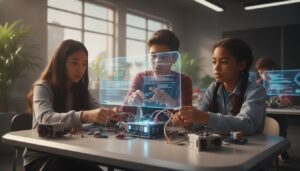
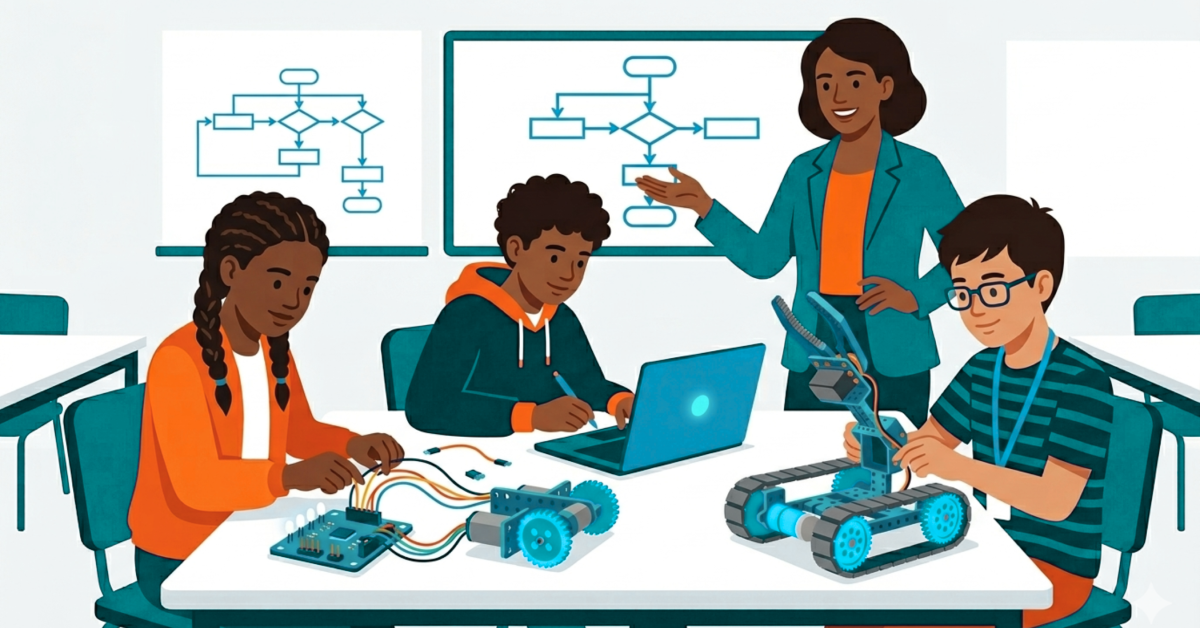
- Interactive tech: Use coding platforms or robotics kits to teach logic and sequential thinking.
Project-Based Learning Benefits
Project-based learning benefits center on long-term engagement. Students spend weeks or months investigating a complex question or challenge. This sustained focus mimics the real world, where problems require extended effort and iteration.
Classroom Engagement Strategies That Work
Effective classroom engagement strategies put the student at the center of the experience. The teacher becomes a facilitator rather than a lecturer. This shift in power empowers students to take ownership of their education.
If you are wondering how teachers can increase student participation, start by asking open-ended questions. Give students the floor to explain their reasoning. Encourage debate and accept that making mistakes is a crucial part of the learning process.
How to Motivate Students in Class
Learning how to motivate students in class starts with understanding their interests. When you tie curriculum standards to topics they already care about, motivation skyrockets.
To boost motivation instantly, try these interactive learning techniques:
- Gamification: Turn quizzes and reviews into competitive or cooperative games.
- Choice boards: Allow students to choose how they demonstrate their knowledge.
- Peer teaching: Let students explain concepts to each other.
- Frequent feedback: Provide immediate, specific praise for effort rather than just correct answers.
Active vs Passive Learning
The debate of active vs passive learning is essentially settled. Passive learning (listening, reading) results in rapid forgetting. Active learning (doing, discussing, teaching) locks information into long-term memory.
You maximize student participation in classroom settings when you prioritize active methods. Replace 30 minutes of lecture with 10 minutes of direct instruction followed by 20 minutes of application.
The Future of Education
The future of education demands a radical departure from industrial-era schooling. Tomorrow’s workforce will not be paid to memorize facts that a computer can look up in seconds. They will be paid to solve problems, think creatively, and adapt to new technologies.
21st-Century Learning Skills
Building 21st-century learning skills requires environments that foster creativity, communication, collaboration, and critical thinking (the 4 Cs). Experiential education methods naturally weave these skills into daily lessons.
Global Hands-On Learning Initiatives
We are seeing a rise in global hands-on learning initiatives as countries recognize the need to modernize. From makerspaces in libraries to robotics competitions in rural schools, the movement toward interactive education is worldwide.
How to Increase Student Participation in Classroom Environments
Encouraging student participation in classroom discussions requires a safe environment. Students will not speak up if they fear ridicule for being wrong. Establish a culture where wrong answers are celebrated as steps toward the right answer.
Simple Ways to Make Classrooms More Interactive
Here are quick ways to make classrooms more interactive right now:
- Think-Pair-Share: Ask a question, let students think, discuss with a partner, and then share out loud.
- Polls and surveys: Use digital tools or simple hand-raising to gauge opinions before teaching a topic.
- Brainstorming sessions: Use sticky notes or whiteboards to collect ideas visually.
Creating a Culture of Curiosity
Cultivating curiosity is the ultimate goal. When students ask questions unprompted, you have successfully engaged them.
Conclusion
Understanding why students lose interest in classrooms allows educators to change their approach. The fix is clear: move away from passive lectures and embrace interactive, experiential education. By implementing hands-on learning benefits, you prepare students not just for tests, but for life. Start small by introducing one practical activity this week, and watch as engagement and enthusiasm naturally return to your classroom.
Frequently Asked Questions (FAQ)
Students lose focus when lessons lack relevance and require only passive listening. Without active participation or a clear connection to their lives, their brains naturally disengage to find stimulation elsewhere.
The best way to keep students engaged is through hands-on, interactive learning. Involving them in projects, discussions, and physical activities forces active cognitive processing and sustains their attention.
Hands-on learning helps memory by building multiple neural pathways. When a student physically manipulates objects while thinking through a problem, they create spatial and motor memories alongside cognitive ones.
Examples of active learning include science experiments, group debates, peer teaching, coding projects, and building physical models. These activities require students to create and interact rather than just consume.
Project-based learning is effective because it mirrors real-world challenges. It requires students to sustain focus over a longer period, collaborate with peers, and apply multiple skills to solve a complex problem.
Author Bio
Maker and Coder
Maker and Coder is a passionate advocate for interactive education and STEAM learning. With a background in developing practical curriculum solutions, Maker and Coder focuses on transforming traditional classrooms into dynamic hubs of creativity. Through writing and developing hands-on projects, they aim to equip educators with the tools needed to build essential 21st-century skills in every student.