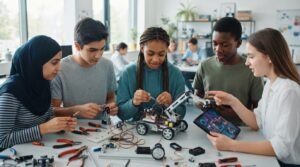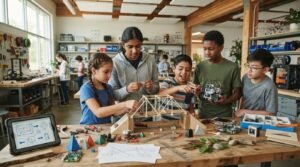
The strongest projects don’t sit beside the curriculum; they put it to work. The promise of project-based learning to improve student outcomes lies in connecting classroom knowledge to a meaningful question or challenge. Over a period from a week up to a semester, students research, experiment, discuss, revise, and demonstrate what they’ve learned.
That shift can make learning more active, but a hands-on activity alone is not enough. Effective project-based learning keeps clear academic goals at its center and supports, rather than replaces, traditional teaching. Students apply ideas, work with others, and explain their thinking, while teachers observe how understanding develops.
Explore what project-based learning is, how it connects subjects to real challenges, and why thoughtful design matters. Learn how projects can support engagement, collaboration, and applied skills, what evidence suggests about student outcomes, and where the approach has limits.
Key Takeaways
- Anchor a project in clear learning goals and a meaningful question so hands-on work advances academic understanding.
- Use purposeful group roles, reflection, and revision to help students strengthen collaboration and take responsibility for their work.
- Connect subjects through authentic tasks, then give students room to compare ideas, test solutions, and explain their decisions.
- Look beyond the final product: student explanations and progress can reveal what they understand and where they need support.
- Explore how structured STEM resources and teacher training can help bring project work into the classroom.
Collaboration and comprehensive application skills
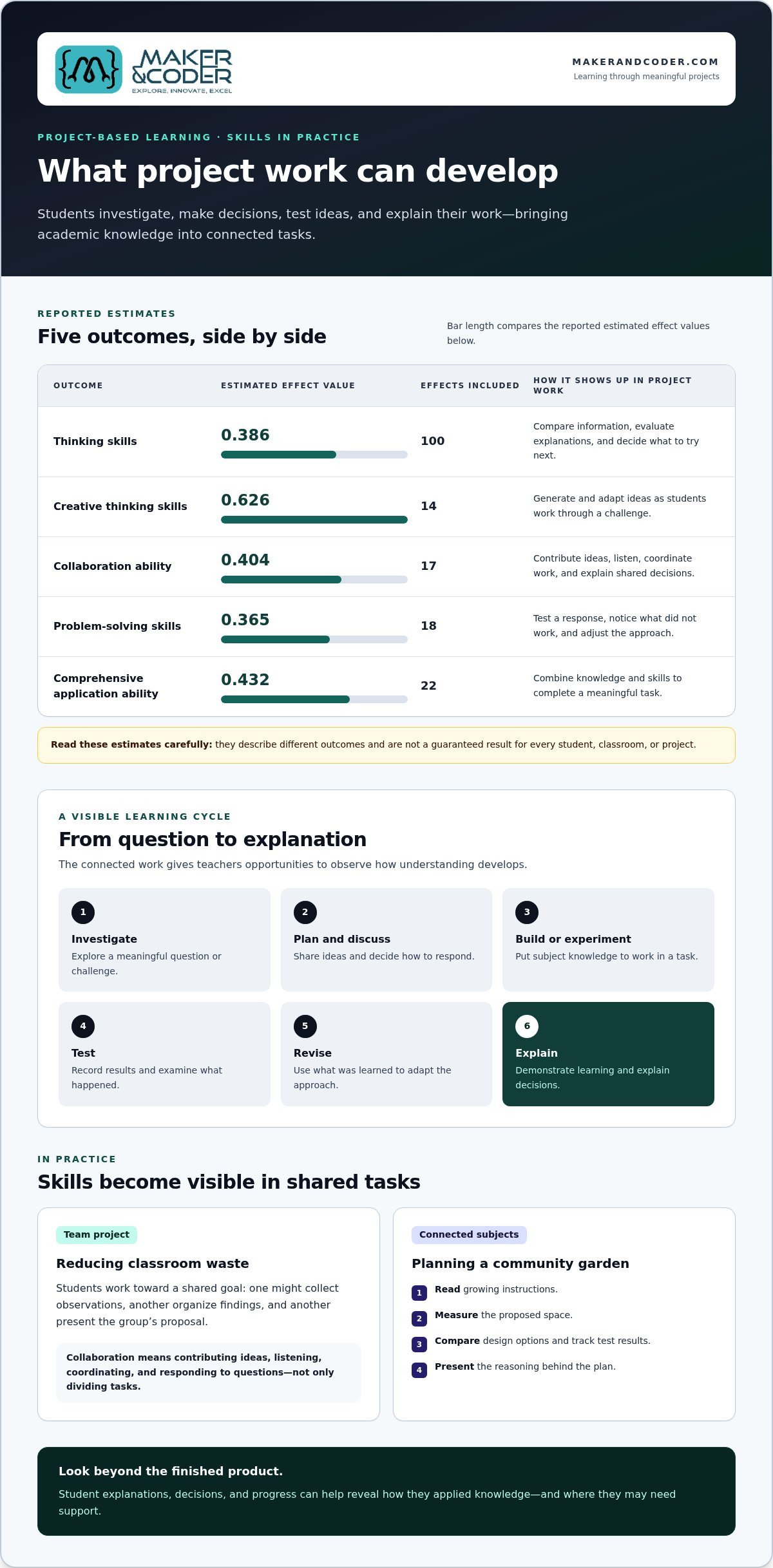
When students investigate a question, plan a response, build, test, revise, and explain their work, they develop more than subject knowledge. These connected steps bring classroom learning into practice and give teachers opportunities to observe students’ understanding and skill development.
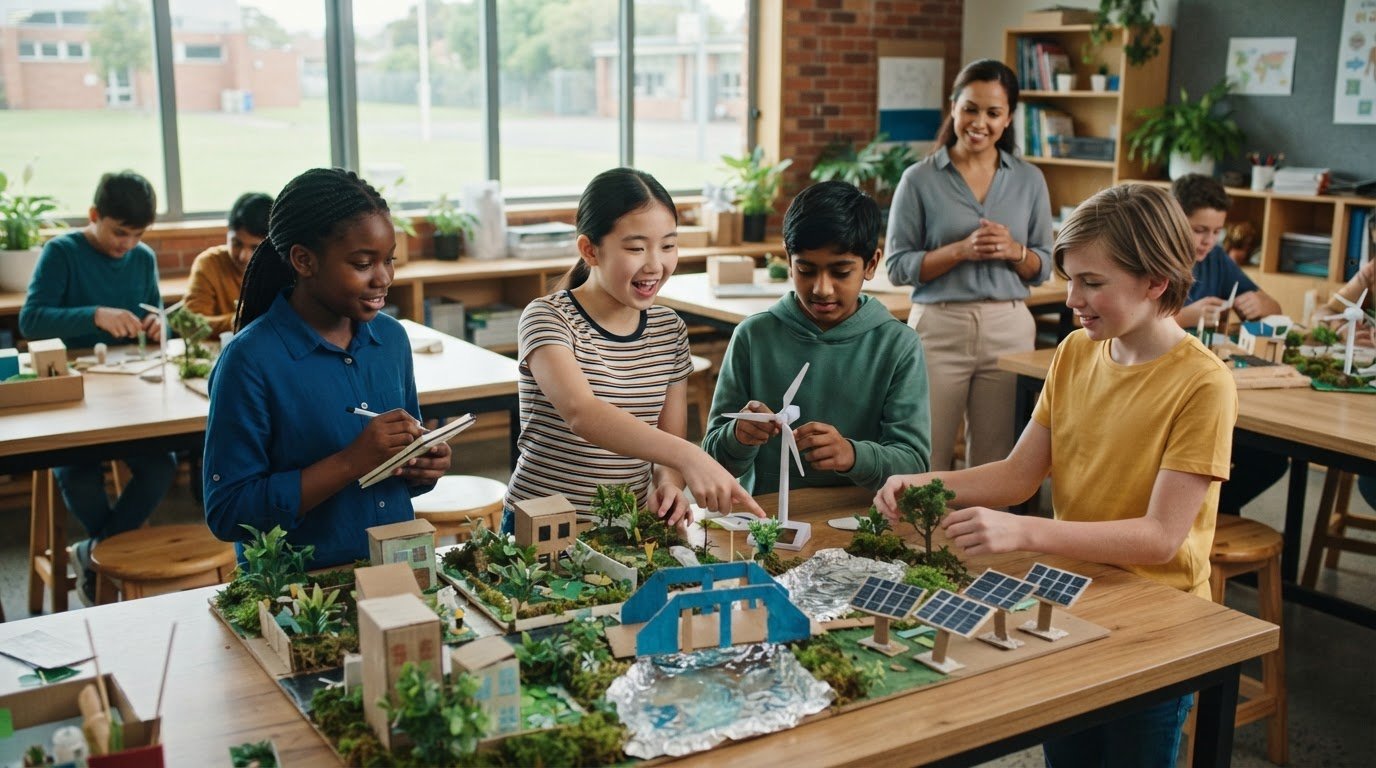
Projects can deepen content knowledge because students revisit ideas as they make decisions. A team designing a model garden, for example, can use measurement to plan its layout, science to consider growing conditions, and writing to explain its choices. Applying concepts in a connected task can support deeper understanding and retention. Students draw on what they know instead of simply recalling an isolated fact for a worksheet.
Thinking develops as students compare information, evaluate possible explanations, and decide what to try next. A project’s testing and revision stages make critical thinking visible: learners can record a result, identify what did not work, then adapt their approach. Estimated effect values were 0.386 for thinking skills across 100 effects and 0.626 for creative thinking skills across 14 effects. These estimates describe different outcomes, so they should not be treated as a guaranteed result for every classroom or project.
Communication and Collaboration
Collaboration is students working toward a shared goal by contributing ideas, listening, and coordinating their work. In a school project about reducing classroom waste, one student might collect observations, another organize findings, and another present the group’s proposal. They need to explain their reasoning and respond to questions, not just divide tasks. Estimated effect value for collaboration ability was 0.404 across 17 effects, while problem-solving skills had an estimated value of 0.365 across 18 effects.
Real-World Skills and Future Readiness
Future readiness involves initiative, responsibility, problem-solving, communication, and applying knowledge to unfamiliar situations. A project connected to a community issue can let students investigate a need, discuss their findings with adults or local organizations, and present a practical response. Those interactions may also help students explore career interests. Learners practise making decisions and sharing work in contexts beyond a classroom exercise.
Comprehensive application means combining skills to complete a meaningful task. For example, students planning a small-scale community garden can read growing instructions, measure a proposed space, compare design options, track test results, and present their reasoning. The estimated effect value for comprehensive application ability was 0.432 across 22 effects. A project like this makes connections between subjects observable, while each student’s explanation helps reveal how they applied the underlying knowledge.
What is Project Based Learning?
Project-based learning organizes instruction around a question or challenge that students investigate over time. Learners develop academic knowledge through research, discussion, revision, and a final demonstration of what they understand.
Examples from U.S. schools include Project PLACE, where second-grade students receiving project-based social studies instruction gained five to six months more learning in social studies and two months more in informational reading. In project-based science classrooms, third-grade students scored eight percentage points higher on a state science test than students taught with typical methods.
Teachers can assess learning with a rubric tied to academic goals, checkpoints during research and revision, and each student’s final presentation. Reviewing notes, explanations, and project decisions helps distinguish individual understanding from the quality of the group product.
A project typically centers on a question or problem that students explore over a period ranging from a week to a semester. The final product is not the only goal: instructional planning connects each research task, experiment, discussion, and revision to specific subject knowledge.
Learning Across Subjects
Learning across subjects means using concepts from different academic areas to investigate one project question. This helps students see how subject knowledge works together, rather than as separate ideas encountered only in individual lessons. For example, a local-history exhibit can combine social studies research, reading primary materials, writing exhibit captions, and presenting evidence. Each subject contributes a distinct skill, while the final presentation gives students a reason to connect their work.
Academic achievement is a central measure, but project-based learning also gives students a setting to apply and explain what they know. Across 190 effects, the estimated effect value for student learning outcomes was 0.441. A separate estimate for academic achievement was 0.650 across 40 effects. These figures summarize different outcome measures; they do not predict an individual student’s result. Evidence includes positive findings in some science and social studies settings, while findings vary by subject and study.
Academic and Career Preparation
Academic and career preparation involves practising knowledge, communication, and problem-solving through tasks that resemble work beyond a lesson. Students explain decisions, use evidence, and adapt their thinking when a project question has no single memorized answer. A class investigating local water use, for instance, could compare information, present findings, and discuss possible responses. Maker & Coder’s Teacher Training Programs support educators in designing projects that keep academic goals visible throughout the process.
Project-based learning works alongside traditional instruction, not as a substitute for it. A teacher can introduce a concept directly, then create a project that asks students to apply it, gather evidence, and present conclusions. This balance makes the purpose clear: students learn essential content, then demonstrate how they can use it. A thoughtful project connects each activity to a subject goal and gives learners multiple ways to show their understanding.
Applying classroom knowledge to real-world challenges
Teachers connect classroom concepts to challenges students can investigate, design for, or help solve. To make project-based learning equitable, schools can offer meaningful choices, clear role options, accessible materials, and different ways to contribute and present learning.
A project becomes authentic when students use academic ideas to respond to a real need. For example, teams could design a more accessible route through a school building, using measurements, maps, and observations to justify their proposals. Students compare possible solutions, explain trade-offs, and apply creativity within clear learning goals. The task gives concepts a practical purpose without losing the subject knowledge teachers intend to teach.
Classroom Benefits for Teachers
Teacher guidance in project work means setting learning goals, supporting inquiry, and monitoring how students apply concepts. This matters because observation during project work can show teachers what students understand, where they struggle, and what support to provide next. During an accessibility audit, a teacher might review students’ measurements and ask them to explain how evidence supports a route change. Short check-ins also help keep teams focused and classroom work organized.
Group structure shapes how students share responsibility. Across 23 effects, project-based learning groups of 4-5 students had an estimated effect value of 0.909. This finding describes an estimate, not a universal class-size rule. Teachers can make group work more workable by assigning roles, such as mapper, evidence recorder, and presenter, then rotating responsibilities. A solo reflection alongside the team proposal can also make each student’s thinking visible.
Equitable and Accessible Project Learning
Equitable project learning gives every student a genuine way to engage with the same core learning goals. This matters because a project should assess understanding, not a student’s access to one particular tool or presentation format. Teachers can provide written and spoken instructions, offer several roles, and let students communicate findings through a model, report, or oral explanation. For an accessible-route proposal, students might gather evidence through observation, mapping, or interviews.
Make the challenge relevant to students’ experiences while keeping participation open. A teacher can invite students to identify barriers around the school, then offer different ways to collect information, such as reviewing a map or analyzing prepared observations. Clear milestones help students plan their work, and early feedback gives them time to revise. These supports distinguish the project’s academic goals from the particular route each team takes.
Teachers can also manage the classroom by making expectations visible: define each role, set checkpoints, and ask groups to document decisions. For example, a team proposing a route change can submit its evidence before preparing a final presentation. This sequence gives teachers a chance to address gaps while students still have time to refine their reasoning.
Student engagement and motivation
Engagement grows when students connect academic work to questions they recognize. A class exploring how to reduce food waste at school might examine lunchroom habits, compare possible changes, and present a proposal. The learning has a visible purpose: students see how content knowledge helps them make sense of a familiar issue, rather than treating each lesson as a separate task.
Real-world relevance gives students a reason to persist through difficult parts of a project. In a school garden investigation, learners might compare planting conditions, track observations, and explain which choices support growth. Each step gives students a concrete problem to work on. Teachers can keep the academic goal in focus by asking students to connect their observations to the concepts they are studying.
Interest and attitude are distinct outcomes in research estimates. Project-based learning had an estimated effect value of 0.713 for learning interest across 7 effects, and 0.536 for learning attitude across 18 effects. These figures represent separate measures. They suggest why a meaningful question, active investigation, and a final explanation can matter: students have a clear reason to engage with the work and demonstrate what they learned.
Confidence also develops through visible progress. A student who struggles to explain an idea at the project’s start can build understanding through research, feedback, and revision. The estimated effect value for self-efficacy was 0.181 across 20 effects, while emotional attitude had an estimated value of 0.389 across 50 effects. In practice, teachers can help students notice progress by comparing early thinking with a later explanation.
Make the work challenging, but give students meaningful ways to get started. For a project about improving a shared school space, students might first identify a problem, gather observations, and then propose a change. A short checkpoint after each step helps teachers spot confusion before it stalls participation. Students can choose how to contribute, such as recording observations, organizing evidence, or preparing the presentation.
Student voice can strengthen investment without removing structure. Offer a focused choice between project questions, formats, or roles while keeping the learning goals the same. For example, teams investigating school energy use could explain their findings through a written report, a model, or an oral presentation. A clear rubric shows students what quality work requires, and reflection helps them connect effort, revision, and deeper learning.
Motivation is more than excitement during a hands-on activity. It also shows when students keep working on a problem, use feedback, and explain their reasoning. Teachers can observe these actions during project work, then adjust prompts or support. This combination helps students engage with meaningful challenges while building confidence in their ability to learn and contribute.
Project-based learning design principles
A strong project is designed around learning, not just an engaging activity. The Gold Standard PBL model identifies seven essential project design elements, giving teachers a useful framework for planning purposeful work.
Start with a guiding question that connects required content to a challenge students can investigate. For a middle school project on sustainable communities, students might ask how neighborhood design affects daily life. Then identify the science and other subject knowledge they need to answer it. This keeps the central question compelling while making the project’s academic purpose clear.
Build the project around authentic tasks, cross-subject connections, and active inquiry. Students could examine how shade affects temperatures around their school, collect observations, and compare design ideas. Reading helps them interpret background information; measurement supports comparisons; science concepts help explain patterns. Each task should advance both the investigation and the learning goals, rather than becoming an unrelated activity.
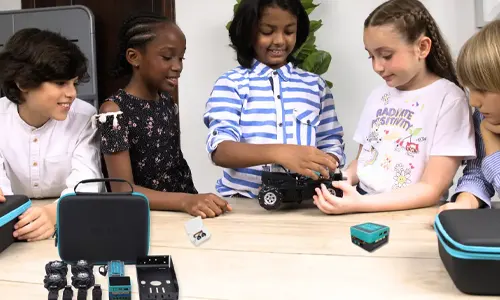
Plan collaboration and the final product before students begin. In the sustainable-community project, teams might create a model and present the evidence behind their design. Give students distinct responsibilities, such as researching, building, or documenting decisions, while ensuring everyone engages with the core concepts. A meaningful presentation asks learners to explain their choices and respond to questions, not merely display a finished object.
Build revision into the design. Students can share an early model, receive feedback, test a design assumption, and refine their proposal. This sequence gives them a reason to reconsider evidence and improve their work. Set checkpoints for research, drafts, and feedback so teachers can address misunderstandings before the final presentation. Assessment criteria should connect directly to content knowledge, process, and the quality of students’ explanations.
The Gold Standard PBL model also describes seven project-based teaching practices that help educators improve, calibrate, and assess their work. Use this focus on teaching practice to review the project after completion: Which tasks revealed student thinking? Where did groups need guidance? Did the final product show the intended learning? These questions help teachers refine the next unit instead of repeating activities without examining their value.
Takeaway: design backward from what students should understand and demonstrate. Then align the guiding question, real tasks, feedback, and final product with those goals. For help shaping classroom projects around purposeful design, connect with an education partner.
Maker & Coder: MC 4.0 Kit
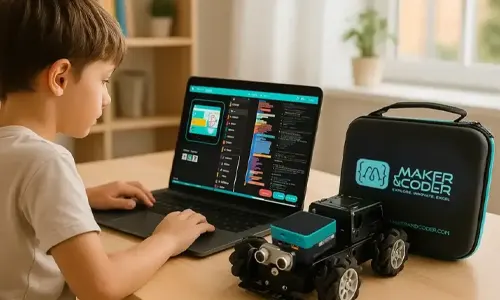
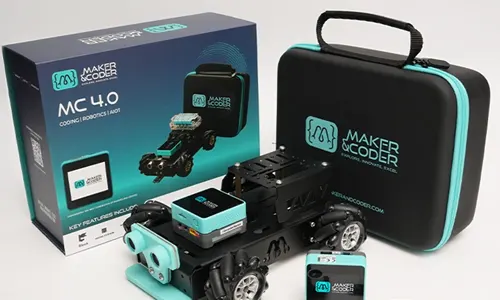
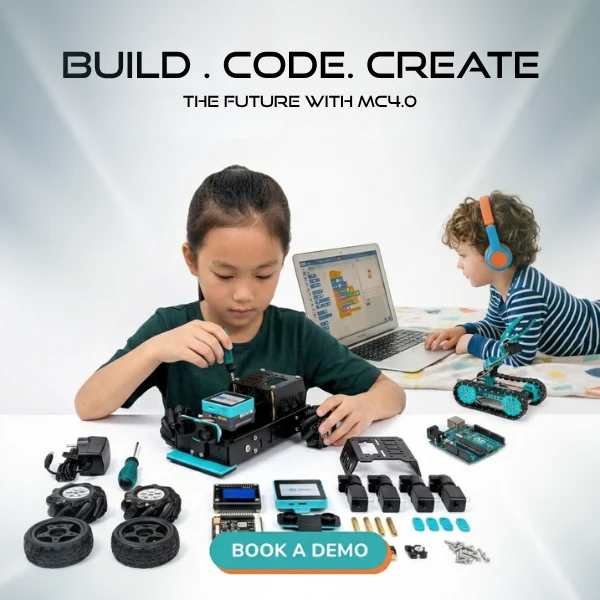
Maker & Coder’s MC 4.0 Kit offers a practical next step for educators bringing hands-on STEM projects into learning. The MC Curriculum (K-12) is designed to integrate with the hardware, giving teachers a structured pathway for connecting technical activities with classroom learning goals.
MC Blocks support modular project work, and Maker & Coder’s Teacher Training Programs help educators develop their approach to facilitating and assessing project-based learning. These offerings can help schools move from project ideas to a more structured STEM learning experience.
Explore Maker & Coder’s educational offerings, or contact Maker & Coder to discuss your learning goals.
Turn Project Ideas Into a Learning Path
Choose a meaningful challenge, then shape it around what students should understand and demonstrate. A deliberate approach to project-based learning to improve student outcomes makes the next step clear: connect a classroom goal to a tangible task, then give learners room to build, reflect, and refine.
For educators developing hands-on STEM experiences, Maker & Coder’s MC 4.0 Kit, MC Curriculum (K-12), and MC Blocks provide resources for bringing technical projects into learning. The curriculum connects with the hardware, while MC Blocks support modular project work. Together, they can help educators turn an initial idea into a more structured classroom experience.
Start with the learning goal, not the equipment. Identify the concept students need to apply, decide how they will show their thinking, and build a project that makes both visible. Then refine the experience through student work and reflection. Each thoughtful iteration can make the next project more purposeful.
Contact Maker & Coder to discuss how these resources could support your classroom plans. Give students the chance to move from learning an idea to making something meaningful with it.
Maker & Coder for Project-Based Learning
Maker & Coder provides a STEM education ecosystem centered on the MC 4.0 hardware platform and modular MC Blocks, giving educators tools to connect project-based learning with technical activities.
When you’re ready to structure those activities into a learning pathway, the K-12 MC Curriculum is designed to integrate with the hardware. The MC4.0 Controller and Base, AIoT, and STEAM kits offer options for technical learning within that ecosystem.
Frequently Asked Questions
Does PBL Work?
Project-based learning shows promising effects, but its effectiveness is not proven for every setting or outcome. Findings include positive impacts in some science and social studies classes, while evidence varies across subjects. For a school deciding whether to use it, the key question is what students should learn and how the project will reveal that learning. Treat the approach as an instructional option to evaluate, not a guaranteed shortcut.
Does PBL Replace Traditional Teaching?
No. Project-based learning supports traditional teaching rather than replacing it. Teachers can introduce a concept through direct instruction, then use a project to help students apply it in a new context. For example, after teaching how graphs represent data, a class might collect observations about a shared school issue and use graphs to explain its findings. Each method serves a purpose within the broader instructional plan.
How Can the Study of PBL Move Forward?
Research can advance through careful comparisons of outcomes across subjects, age groups, and project designs. Researchers also need to examine how instruction is implemented, so results distinguish project quality from the approach itself. Nell K. Duke and colleagues are conducting an experimental evaluation of a second-grade social studies curriculum that examines literacy outcomes. Project-based science curricula aligned with the Next Generation Science Standards are also being developed and tested.
How Does PBL Differ From “Doing a Project”?
Project-based learning uses a project to structure the study of required content, while “doing a project” can mean completing an activity after instruction ends. In PBL, investigation and decision-making are part of the learning process. For instance, students might use evidence to answer a question before creating a final product. The product matters, as do the knowledge and reasoning students demonstrate along the way.
Is PBL Effective for All Ages?
Students across age groups can participate, with the project’s complexity and support adjusted to their learning needs. Younger learners might explore a familiar classroom question through guided observation, while older students could investigate a community issue using several sources. Research findings vary by age group, so educators should align the challenge, materials, and expected learning with their students rather than assume one project format suits everyone.
What Does It Take to Implement PBL?
Effective implementation calls for clear academic goals, a suitable project question, planned instruction, and time for students to develop their work. Teachers also need to guide inquiry and assess learning throughout the process, not only at the end. Professional development is likely to be essential for successful implementation. A practical starting point is for a teaching team to plan one focused unit, review student work, and refine the design before expanding it.
What Is PBL?
Project-based learning is an instructional approach in which students explore a question or problem over time and demonstrate their learning through a final product or presentation. The work may involve research, experimentation, discussion, and revision. A project can last from a week to a semester. What defines the approach is that students learn and apply content through sustained investigation, rather than simply making something after lessons are complete.
What Is Project-Based Learning and How Does It Improve Student Outcomes?
Project-based learning connects academic content with sustained inquiry, giving students opportunities to apply knowledge and practise skills such as communication and problem-solving. Using project-based learning to improve student outcomes means designing around specific learning goals, then assessing students’ understanding as they investigate and explain their work. Outcomes depend on what the project teaches and how learning is assessed, so a polished final product alone isn’t evidence of academic growth.