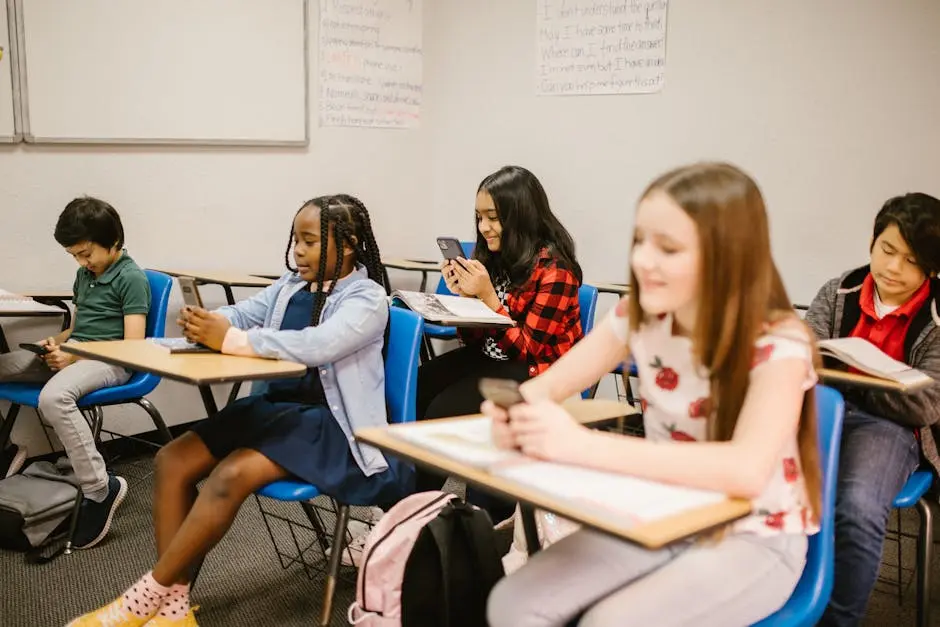
Artificial intelligence and physical robots are changing how students learn across the globe. You no longer just read about technology; you build, program, and interact with it.
AI and robotics in education provide personalized learning experiences that adapt to individual student needs. This shift replaces rote memorization with interactive, problem-solving activities.
In this article, you will learn how ai-driven robotics learning works and why it matters. We will explore the integration of these tools into classrooms, the benefits of hands-on learning, and what the future holds for students globally.
The Rise of AI and Robotics in Schools
Classrooms around the world are adopting intelligent technologies at a rapid pace. AI and robotics in schools bridge the gap between theoretical concepts and practical application.
Schools use these tools to teach critical thinking, coding, and engineering principles. Students who interact with an ai education robot develop a deeper understanding of complex subjects.
Key advantages of this integration include:
- Increased student engagement through interactive tasks.
- Immediate feedback from intelligent learning systems.
- Development of highly sought-after technical skills.
- Accessible learning tools for diverse learning styles.
Global Adoption of AI Robots in Education
Educators globally recognize the value of interactive technology. AI robots in education serve as both learning tools and teaching assistants.
In many countries, teachers use an ai robot for education to guide students through coding exercises. These robots can answer basic questions, allowing teachers to focus on complex mentoring.
Empowering Teachers
Teachers benefit just as much as students. Intelligent systems grade assignments and track student progress automatically.
This gives educators more time to create engaging lesson plans. They can identify struggling students early and provide targeted support.
Benefits of Hands-On Robotics Education
Learning by doing is the most effective way to retain information. Hands-on robotics education allows students to physically build and program their own machines.
When a student programs a robot to complete a maze, they instantly see the results of their code. This immediate feedback loop builds confidence and encourages experimentation.
Physical interaction with technology offers several benefits:
- Improved memory retention through tactile learning.
- Enhanced problem-solving skills as students debug physical systems.
- Greater collaboration when working in teams to build projects.
Transitioning from Screen to Reality
Staring at a screen for hours can lead to burnout. Building physical robots breaks up the monotony of digital learning.
Students learn how software commands translate into mechanical movement. This crucial link helps demystify how the technology around them actually works.
Transforming STEM: AI and Robotics STEM Classes
Science, technology, engineering, and mathematics form the core of modern innovation. AI and robotics STEM classes make these subjects approachable and exciting.
Instead of solving abstract math equations, students calculate the exact angles needed for a robotic arm to function. This gives STEM subjects real-world context.
Core Components of Robotics STEM Curricula
A strong curriculum relies on structured, project-based learning. Instructors use robotics for education to introduce advanced concepts step-by-step.
1. Coding and Programming Fundamentals
Students start with block-based coding before moving to text-based languages like Python. They learn how to write algorithms that dictate an AI’s behavior.
2. Mechanical Engineering Basics
Building a robot requires understanding gears, motors, and sensors. Students learn how physical parts interact to create movement.
Designing for Efficiency
Advanced students optimize their robot designs to conserve battery or move faster. This introduces concepts of physics and energy management.
3. Data Collection and AI Integration
Modern robots use sensors to collect data about their environment. Students learn how to feed this data into AI models to make their robots “smart.”
AI Education Robots: The New Classroom Assistants
An ai education robot is not a replacement for a human teacher. It is a highly specialized tool designed to assist with specific learning goals.
These robots can read stories, teach basic vocabulary, or guide students through complex coding tasks. They offer infinite patience, allowing students to learn at their own pace.
Popular uses for educational robots:
- Language practice with conversational AI.
- Step-by-step coding tutorials.
- Interactive storytelling and reading comprehension.
- Assisting students with special needs through customized interactions.
Catering to Special Education
Robots provide consistent, predictable interactions. This makes them incredibly valuable for neurodivergent students who may struggle with social cues.
An ai robot for education can guide a student through emotional regulation exercises. It provides a safe, non-judgmental space for students to practice communication skills.
AI Robotics and Design of Future Education
The traditional classroom model is undergoing a massive transformation. AI robotics and design of future education focus on hyper-personalized, decentralized learning environments.
Future classrooms will function more like innovation labs. Students will have access to smart tools that adapt to their specific career interests and learning speeds.
The Shift to Competency-Based Learning
Instead of moving students forward based on age, future education will focus on skill mastery. AI and robotics education systems will track precisely when a student has mastered a concept.
Once a student successfully programs a specific robotic function, the AI system will unlock the next level of difficulty. This ensures no student is left behind or held back.
Continuous Curriculum Updates
Technology evolves faster than traditional textbooks can be printed. Cloud-connected educational robots receive instant updates with the latest coding practices.
This guarantees that students are always learning relevant, up-to-date skills. Schools will no longer rely on outdated materials to teach computer science.
Global Impact of Robotics for Education
The demand for technical skills is a global phenomenon. Implementing robotics for education helps countries prepare their youth for the future job market.
From rural communities to urban centers, educational technology is leveling the playing field. Cloud-based AI allows students everywhere to access top-tier educational resources.
Global benefits include:
- Closing the digital divide in developing nations.
- Standardizing high-quality STEM education globally.
- Fostering international collaboration through global robotics competitions.
Preparing for the Workforce of Tomorrow
The jobs of the future will require humans to work alongside intelligent machines. AI-driven robotics learning gives students a massive head start.
They learn not just how to use technology, but how to build, maintain, and ethical manage it. This critical understanding will be essential across all industries, from healthcare to manufacturing.
Conclusion
The integration of intelligent technology in the classroom is a necessary evolution. AI and robotics education transforms passive listeners into active creators.
By prioritizing hands-on robotics education, schools empower students to solve real-world problems. They build the critical thinking and technical skills required for future success.
Take Action Today:
- Explore local or online AI and robotics STEM classes for your child or students.
- Advocate for technology budgets in your local school district.
- Start with basic coding and robotics kits at home to spark early interest.
Frequently Asked Questions (FAQ)
What is an AI education robot?
An AI education robot is a programmable machine equipped with artificial intelligence designed to help students learn. These robots interact with students, teach coding, and provide personalized feedback during lessons.
Why are AI and robotics in schools important?
AI and robotics in schools are important because they teach critical STEM skills through hands-on learning. They improve engagement, foster problem-solving abilities, and prepare students for a technology-driven workforce.
How do AI and robotics STEM classes differ from traditional science classes?
AI and robotics STEM classes focus on project-based, physical creation rather than textbook theory. Students actively build and program machines, applying math and science concepts to real-world challenges.
Can robotics for education help students with special needs?
Yes, robotics for education can be highly beneficial for students with special needs. Robots offer consistent, patient, and predictable interactions, making them excellent tools for teaching communication and social skills.
What is the future of AI robotics and design of future education?
The future of education will feature highly personalized learning environments driven by AI. Students will learn at their own pace using adaptive technologies, with classrooms functioning as interactive innovation labs.
Author Bio
Maker and Coder Editorial Team
The Maker and Coder team consists of passionate educators, engineers, and technology enthusiasts. We are dedicated to making coding and robotics accessible to learners of all ages worldwide. Our mission is to provide clear, actionable insights that empower the next generation of digital creators.