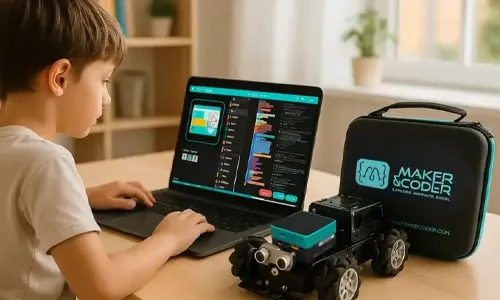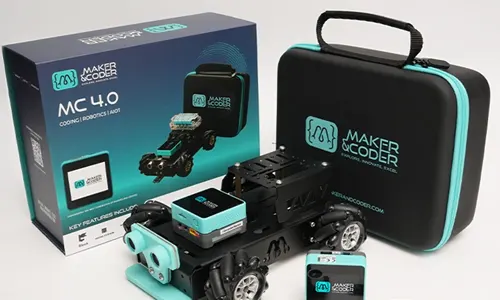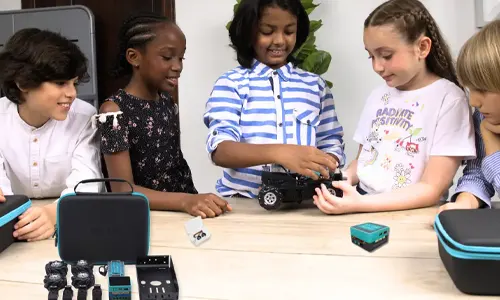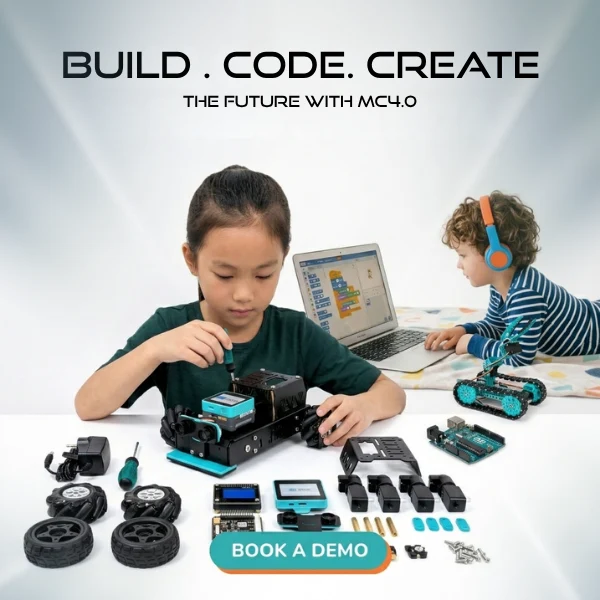
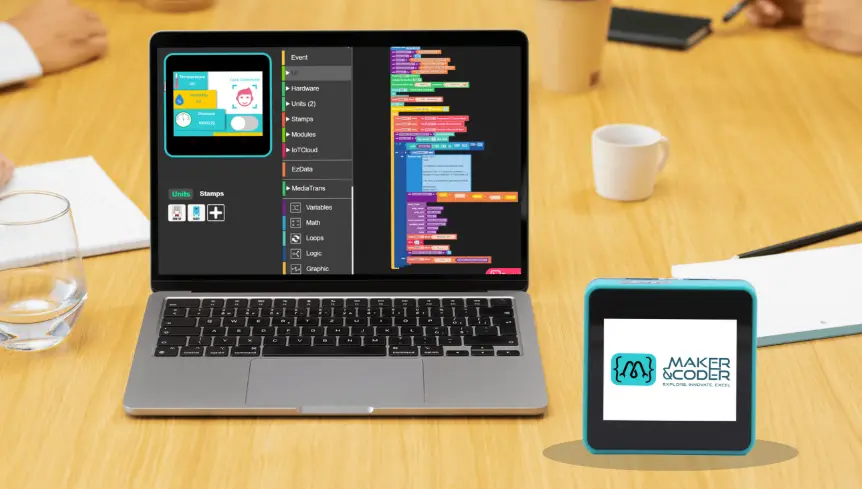
An AI kit for robotics provides the essential hardware and software needed to build intelligent, autonomous machines. These comprehensive bundles allow students and educators to move beyond basic programming into advanced machine learning. You can transform standard tech lessons into dynamic, future-proof educational experiences by adopting these tools.
Educators worldwide recognize that artificial intelligence is reshaping every global industry. Teaching students how to integrate AI with physical machinery is a critical step in modern education. Implementing an artificial intelligence kit ensures your curriculum meets international standards for computer science and engineering.
This guide explores the exact methods schools use to implement ai-driven robotics learning. We will cover the specific benefits of these tools, how to select the right equipment, and actionable strategies for classroom integration.
Understanding AI-Driven Robotics Learning
AI-driven robotics learning fundamentally changes how students interact with technology. Instead of writing rigid, step-by-step instructions, learners train robots to make independent decisions based on real-time data. This shift from manual coding to machine learning builds critical problem-solving skills.
When using an AI robotics kit, students explore advanced concepts like computer vision and natural language processing. They program machines to recognize faces, sort objects by color, or respond to voice commands. This practical application demystifies complex data science concepts.
Schools internationally are adopting these methods to prepare students for a highly competitive global workforce. Early exposure to intelligent systems removes the intimidation factor surrounding advanced technology. Students quickly learn that AI is a manageable tool they can control and optimize.
The Shift to Artificial Intelligence Kits
Traditional robotics kits limit students to pre-programmed, repetitive actions. A robot hits a wall, reverses, and turns based on a hard-coded loop. While useful for teaching basic logic, these kits do not reflect the dynamic nature of modern technology.
An artificial intelligence robotics kit allows that same robot to learn from its environment. The machine can map a room, identify specific obstacles, and calculate the most efficient path forward. This continuous learning process mimics real-world engineering challenges.
By upgrading to an AI kit for robotics, educators provide a much deeper educational experience. Students transition from consumers of technology to creators of intelligent systems. This hands-on creation fosters a profound understanding of how automated industries function worldwide.
How AI Kits Help Robotics Learning
How AI kits help robotics learning comes down to bridging the gap between digital code and physical action. Students must use logic, engineering, and data analysis simultaneously to make their projects work. This multidisciplinary approach strengthens their understanding of all STEM subjects at once.
When students train an AI model, they actively collect, clean, and analyze data. This process builds essential critical thinking skills that apply far beyond the computer lab. They learn how to identify bias in data sets and troubleshoot faulty logic.
Educators consistently report higher engagement levels when using robotics and AI learning kits for students. The interactive nature of these tools captures the attention of learners who might struggle with traditional textbook formats. Seeing a physical robot react to code provides instant, satisfying feedback.
Bridging the Gap for Beginners
An AI robotics kit for beginners simplifies complex algorithms into user-friendly, block-based coding interfaces. Students do not need to know Python or C++ to start training machine learning models. These intuitive platforms make advanced tech accessible to younger learners.
By utilizing an AI robot building kit for classrooms, teachers provide a safe environment for trial and error. Building a smart robot that navigates a maze requires failure, adjustment, and resilience. Students learn that initial failure is just a data point used to improve the next iteration.
Collaboration naturally occurs when beginners work with physical kits. Group projects teach communication and teamwork, which are highly valued skills in the international job market. Students must divide tasks, share hardware resources, and explain their reasoning to peers.
AI Robotics Kits for STEM Education
AI robotics kits for STEM education serve as the perfect entry point into complex engineering concepts. A student programming a robot arm to sort recycling is learning the exact principles used in global logistics centers. The scale is smaller, but the foundational logic remains identical.
You empower students by giving them agency over their learning outcomes. When they control the smart device, they take ownership of the entire educational process. This self-directed learning fosters a deep, intrinsic motivation to explore challenging engineering topics.
Showcasing student projects to the wider community builds massive support for your STEM programs. Demonstrating these AI capabilities highlights the immense value of your school’s technology investments. Public exhibitions of student-built AI tools can easily attract local and international business sponsorships.
Choosing the Best AI Kit for Robotics Learning
Selecting the best AI kit for robotics learning requires evaluating both hardware durability and software accessibility. You need physical components that can withstand daily classroom use by enthusiastic learners. The coding interface should offer a smooth transition from basic blocks to advanced text-based languages.
Consider the scalability of the kit across different grade levels and abilities. Great robotics kits grow with the student, offering basic challenges for novices and complex capabilities for older learners. This versatility ensures a higher return on investment for global school districts.
Look for comprehensive curriculum support when purchasing new technology. An AI robotics kit for schools should include lesson plans, grading rubrics, and troubleshooting guides. Teachers need this foundational support to feel confident delivering the material effectively.
Key Features of a Robotics AI Kit for Students
A reliable Robotics AI Kit for Students must prioritize offline functionality. Schools cannot always rely on high-speed internet to power machine learning algorithms. Kits that process data locally ensure uninterrupted learning and better student data privacy.
Cross-platform compatibility is essential for modern classrooms. The software should run seamlessly on Chromebooks, Windows, and Mac devices without extensive IT setup. This flexibility allows schools to integrate the kits into their existing technology infrastructure.
Open-source hardware compatibility allows for cheaper repairs and limitless expansion. Kits compatible with standard parts let students build larger, more complex machines over time. This open architecture encourages creative engineering outside the standard instruction manual.
Hardware and Software Synergy
The hardware and software within an AI kit must communicate flawlessly. Sensors, cameras, and motors need to respond instantly to the AI algorithms processing the data. This seamless synergy prevents student frustration during the testing phase.
High-quality cameras are crucial for computer vision projects. If the robot cannot clearly “see” its environment, the AI model cannot function properly. Invest in kits with reliable, high-resolution sensors.
The processing power of the robotics brain must handle real-time AI calculations. Look for kits featuring dedicated AI microcontrollers. These specialized chips process complex data significantly faster than standard robotics boards.
Ensuring Global Compatibility
An AI kit for robotics must align with global educational standards to be truly effective. The coding languages taught should be those used internationally by professional developers, such as Python. This ensures the skills transfer directly to the worldwide job market.
Multilingual software interfaces allow international schools to teach complex concepts in a student’s native language. Removing the language barrier accelerates the understanding of difficult programming logic.
Compliance with international safety and privacy regulations is non-negotiable. Ensure the kits do not send voice or facial recognition data to unsecured cloud servers. Protecting student privacy must be the top priority when introducing AI tools.
Implementing AI and Robotics in Schools
Successfully integrating ai and robotics in schools requires a structured, step-by-step approach. Begin by defining artificial intelligence concepts without the hardware, then introduce data collection. This measured progression prevents cognitive overload for both students and teachers.
Integrate these robotics lessons across multiple subjects, not just the computer lab. Use an AI robotics kit in biology to classify plant species or in art to draw algorithmic patterns. Cross-curricular integration proves that technology applies to every field of study.
Focus heavily on the ethical implications of artificial intelligence. Students must understand algorithmic bias, data privacy, and technological accountability. An ethical foundation is just as critical as the mechanical engineering skills themselves.
AI Robot Building Kit for Classrooms
Managing an AI robot building kit for classrooms requires organized logistics. Invest in clear storage solutions and inventory management systems to prevent lost motors and sensors. A well-organized STEM lab maximizes teaching time and minimizes frustration.
Transitioning to AI-integrated systems requires dedicated teacher professional development. Provide your staff with training time before rolling out the new robotics curriculum. Confident teachers inspire confident students, leading to significantly better educational outcomes.
Create dedicated physical spaces for testing and deploying AI models. Students need physical arenas to test their autonomous vehicles or smart cameras safely. These testing zones naturally become the focal point of the classroom, driving excitement and healthy competition.
Building an International Tech Curriculum
The demand for artificial intelligence literacy spans the worldwide economy. Schools must adopt global standards for computer science to keep their students competitive. Using an AI robotics kit for school students aligns your local curriculum with international benchmarks.
Students with practical AI and robotics experience hold a massive advantage in university admissions. Global companies actively seek problem-solvers who understand how to leverage automation and hardware. You give your students a direct pathway to future-proof careers.
We are seeing a massive international push to integrate AI early in education. Countries leading this charge understand that technological fluency drives economic innovation. By adopting these tools, your school joins a worldwide community of forward-thinking educational institutions.
The Future of Robotics AI Kits for School Students
The rapid pace of technological change requires an adaptable, resilient education system. A robotics AI kit for school students provides the exact framework needed to teach adaptability. Students learn how to learn, preparing them for engineering jobs that do not even exist yet.
By investing in an artificial intelligence kit, schools signal their commitment to relevant, modern education. You move beyond rote memorization and step directly into applied creation and mechanical innovation. This is the new standard for global educational excellence.
We must embrace these artificial intelligence tools to unlock our students’ full potential. Provide the equipment, offer the guidance, and step back to watch them build incredible things. The future belongs to the students who understand how to harness smart technology.
Frequently Asked Questions (FAQ)
What makes an AI kit for robotics different from a standard robotics kit?
An AI kit for robotics includes machine learning and data processing capabilities. Standard kits only follow pre-programmed instructions, meaning the robot only does exactly what it is hard-coded to do. AI kits allow the robot to learn from its environment, recognize faces, and make autonomous decisions based on sensor data.
Are AI robotics kits suitable for beginners with no coding experience?
Yes, an AI robotics kit for beginners is highly suitable for novices. Most high-quality kits use block-based programming interfaces that require zero prior coding knowledge. Students snap visual blocks together to build logic, allowing them to grasp complex AI concepts before moving on to text-based languages like Python.
How do AI and robotics in schools benefit students globally?
These programs prepare students for a rapidly automating worldwide job market. By learning how to build and program intelligent systems, students develop critical thinking, engineering, and data analysis skills. This hands-on experience gives them a competitive edge in international university admissions and future STEM careers.
What is the best AI kit for robotics learning in a classroom setting?
The best kits offer durable hardware, cross-platform software, and offline capabilities. It should easily connect to Chromebooks or iPads and process data locally to protect student privacy. Additionally, the best kits provide comprehensive lesson plans and curriculum support for educators.
Can an AI robot building kit for classrooms teach subjects outside of computer science?
Absolutely, these kits are excellent for cross-curricular education. You can use an artificial intelligence robotics kit in science classes to monitor environmental data or in math classes to calculate complex trajectories. Integrating robotics into various subjects proves to students that AI is a universal tool.
Author Bio:
Maker and Coder is a global team of passionate educators, engineers, and technologists dedicated to transforming STEM education. We specialize in providing schools worldwide with the insights and tools needed to build advanced, future-proof classrooms. Our mission is to empower the next generation of international innovators through accessible, hands-on learning experiences in robotics, coding, and artificial intelligence.